CROSSFIT SHOULDER INJURY TREATMENT IN NEW YORK CITY
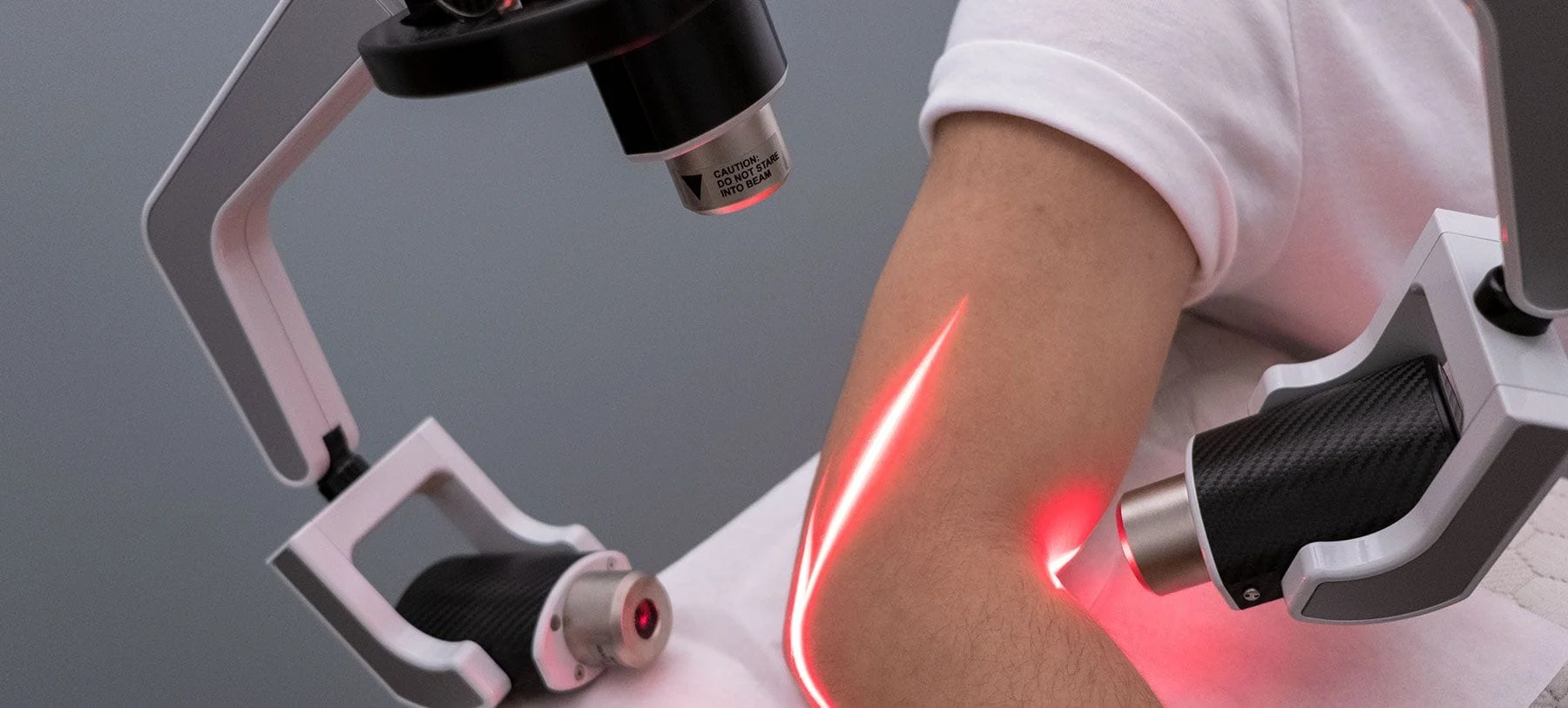
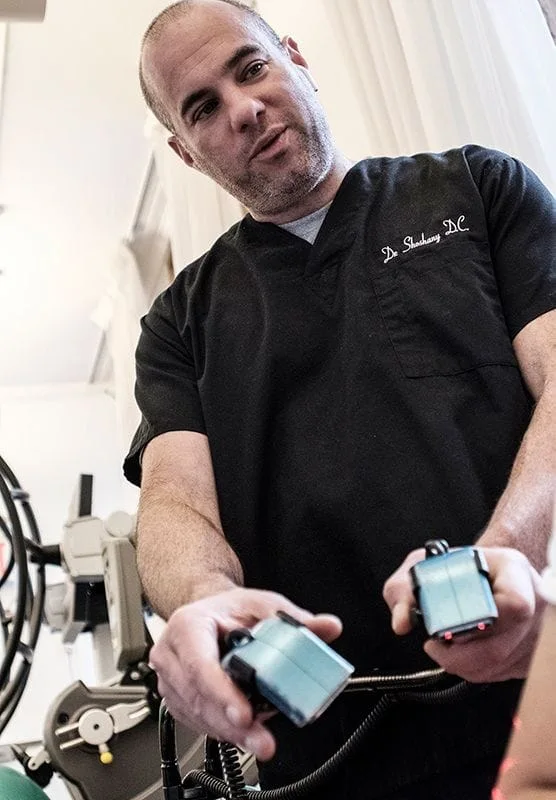
NYC chiropractor, Dr. Steven Shoshany and his team of physical therapists work with local Crossfit enthusiasts, as well as the adventure racing communities, to treat and prevent injuries that are sustained through Crossfit workouts.
Dr Shoshany has had great success in treating sports injuries and carpal tunnel as well as many other chronic pain related conditions. Dr. Shoshany is a leading chiropractor in the field of Cold Laser Therapy treatment. He trains his own team and other New York City doctors & chiropractors from around the country on the latest practices, principles and overall benefits of Cold Laser Therapy.
Cold Laser Treatment in New York City - Call Now: (212) 645-8151
A True Laser is one that is fully compliant to the definitions set forth by those great men of science such as Bose and Einstein who predicted LASER Technology in 1924. Along with contemporary physicists such as Schawlow and Townes who brought the LASER into the modern age. LASER is an acronym forLight Amplification by Stimulated Emission of Radiation.
When created in this way, light is then culminated and directed into an intense beam of coherent light through the use of cathode and anode reflecting components that produces a single stable frequency.
Lasers are coherent or marked by logical consistency.
The Erchonia LASER meets all the scientifically defined attributes of a laser and is therefore classified as a true LASER. We assure and maintain this classification, through our unique and patented process, which produces an emission of coherent light, generated at a precise and stable frequency, in a focused direction.
What is a low-level laser?
Unlike high power lasers that use heat and destroy tissue, low energy lasers affect the cellular energy of the underlying tissue. Hot lasers have a thermal effect and have an output of 1MW or above. Cold (or) Low Level Lasers do not have a thermal effect on tissue, lasers that stimulate biological function have an output below 10mw- (ten milliwatts = ten one-thousandths of a watt).
What is - Low Level Laser Therapy?
Low Level Laser Therapy refers to the modality of applying a "low" energy or "low level" laser to tissue that stimulates cellular processes and thereby enhancing biochemical reactions. For example, studies show that LLLT increases ATP production in the mitochondria of the cell. Since more energy is now available, the cell may utilize this fuel to function or operate more efficiently.
How does it work?
Many theories about LLLT exist as to the mechanism of action for Low Level Lasers and infrared lasers. Simply put, photonic energy is absorbed by the photo acceptor sites on the cell membrane which trigger a secondary messenger to initiate a cascade of intracellular signals that initiate, inhibit or accelerate biological processes such as wound healing, inflammation, or pain management. The laser beam directs its laser photons in ways that activate pain management in the body to relieve pain. Combined with physical therapy and, LLL therapy with cold lasers helps to speed up healing.
What conditions can be treated?
Low Level Laser Therapy (LLLT) has been successfully used to treat many conditions such as acute and chronic pain reduction, chronic back pain and shoulder or neck pain. Low Level Light therapy also helps heal repetitive use disorders like carpal tunnel syndrome, soft tissue strains and sprains, inflammation reduction, enhanced tissue wound healing, and cell regeneration.
Are there any side effects?
There are over 1500 published studies and not one of them mentions any negative side effects of semiconductor diode lasers at the 5mW range like the Erchonia 3LT™ Lasers. Low Level Lasers are safe, non-toxic and non-invasive; there has not been a recorded side effect in over 1700 publications. There are some necessary common sense precautions that need to be considered, such as avoiding pointing the laser beam directly into the eye and maintaining it there, which could prove to be damaging to the eye.
We only use the finest FDA approved equipment.
This includes Class 3 and Class 4 lasers.
How long are the treatments?
Treatments can vary in time from seconds to minutes depending on the condition. Research studies show that there may be a dose dependent response, so it may be more effective to treat at lower doses at multiple intervals then to treat a single time with a high dose.
How long does the treatment last?
An individual's treatment plan may vary, depending on the condition. For instance, an acute soft tissue injury or open wound may require multiple short treatments initially then the interval between treatments will lengthen as the condition improves.
The Cold Laser, or Low Level Laser Therapy, and What it Can be Used for:
Inflammatory conditions such as Carpal Tunnel Syndrome, Epicondylitis, Plantar Fascitis, and Bursitis with excellent results.
Pain management for Fibric Myalgia Myofscial pain, cervical neck pain, thoracic pain, and low back pain.
Connective tissue disorders such as sprains, strains, tendonitis, and tendon ruptures.
Joint injuries or disorders such as TMJ disorders, osteoarthritis, dislocations, and ligament injuries.
Muscle injury or disorders such as muscle bruises, contusions, muscle ruptures, and muscle shortening contractures like frozen shoulders.
Neurological injury or disorders such as prolapsed disc, ruptured or herniated discs, crush injuries, neuritis, and headaches.
The biological effects of how Low Level Laser Therapy has been shown to significantly accelerate and enhance the body's natural defense and repair abilities when injured. By reducing the duration of inflammation as well as enhancing specific repair and healing process, Low Level Laser Therapy has been proven to provide pain relief, reduce damage due to the injury and loss of function. Low Level Laser Therapy enables the body to have a more rapid repair and stronger tissues once healed.
Results from Cold Laser Therapy come from its ability to "bio-stimulate" tissue growth and repair. This results in accelerated healing and dramatic decrease in pain, and inflammation. Unlike all other treatment modalities, laser therapy actually "heals" tissue as well as providing a powerful non-addictive form of pain management. Spinal Decompression combined with Cold Laser Treatment and whole body vibration is proven to be an effective treatment for herniated discs
The Physiological Effects of Low Level Laser Therapy
Biostimulation
Improved metabolism
Increase of cell metabolism
Improved blood circulation and vasodilatation
Analgesic effect
Anti-inflammatory and anti-edematous effects
Stimulation of wound healing
What Are the Benefits of Low Level Laser Therapy (LLLT) ?
Relieves acute and chronic pain
Increases the speed, quality and tensile strength of tissue repair
Increases blood supply
Stimulates the immune system
Stimulates nerve function
Develops collagen and muscle tissue
Helps generate new and healthy cells and tissue
Promotes faster wound healing and clot formation
Reduces inflammation
Low-level laser therapy does not require constant, ongoing treatments, as is often required with traditional chiropractic or physiotherapeutic remedies.
How Do You Know If Low-Level Laser Therapy is Right for You?
Do you suffer pain from an old or new sports injury or accident?
A laser can differ in its wavelength, power source or whether it is a continuous or pulsed wave form. The first lasers were used to cut, cauterize or ablate tissue and were classified as "hot' lasers."Cold", "Low Energy" or "Low Level" lasers are used to enhance metabolic activity at the cellular level through non-thermal reactions.
What is wavelength? And do the different wavelengths matter?
Light is measured in wavelengths and is expressed in units of nanometers (nm). Different wavelengths have different energy levels and can have various effects on tissue. For example, the Erchonia 3LT™ Laser is 635 nanometers, which is found within the "red" spectrum of visible light (400-800 nm) and has anabolic tissue effects, whereas, radiation that has a wavelength shorter than 320 nm (ultraviolet (UV), gamma rays, x-rays) has ionizing effects on cells and can be harmful even in small doses.
What is the difference between Lasers and LED's?
Lasers are monochromatic (single color wavelength), collimated (non-divergent) and coherent (wavelengths in- phase) in contrast, LED's are neither coherent nor collimated and generate a broader band of wavelengths (multiple). In addition, a significant difference between the two is the power output. The peak power output of lasers is measured in watts, while that of LED's is measured in milliwatts. Also, LED's usually have a 50% duty cycle, meaning that they are "on" 50% of the time and "off" 50% of the time regardless of what frequency (pulses per second) setting is used.
There are many light emitting products on the market today, claiming to be lasers that do not meet scientifically defined attributes for being a true laser. For example, products that use Light Emitting Diodes or LED's as they are more commonly known, do in fact produce light, however the light is not intense, producing very little energy and is non-coherent, similar to light produced by common household light bulbs. Non-coherent or non-culminated light is the result of photons moving in random directions at random times, generating random frequencies. The most common use of LED's is in electronic equipment, such as cell phones and VCRs, to inform the users that the item is ON. LED's are cheap and easy to reproduce (Pontinen 1992). Obviously, these devices are NOT lasers. This misconception is in large part a by-product of marketing. Some sales professional use the word "laser" in order to describe a process such as in "laser pointers" which refers more to mankind's collective imagination than scientific comprehension.
Our Ongoing Studies with Cold Lasers
We currently have two separate IRB approved clinical studies focusing on accelerated wound healing, and low level laser liposuction. These studies involved MRI and Scanning Electron Micrographs.
Biological field theory - connections between tissues and organs in the intact organism are not limited to humeral effects and nervous control mechanisms alone. Rather, there exist unique around every cell, tissue and organ and higher structural levels (organism, organ) exerting a normalizing influence on lower levels (tissue cells). The resonance effect of the low power laser is thought to restore the normal energetic status of the organism, that is, restore its normal physiological state.
All three theories share the basic premise that laser causes activation in the cell, which in turn leads to an intensification of the bionomical processes. It is within this context that the Arnat-Schulz law becomes important with respect to low power laser application. This biological law states that weak stimuli excite physiological activity, moderately strong ones favor it, strong ones retard it and very strong ones arrest it.
More recently, however, in the last decade or so, many advances have been made to support these observations and increase our knowledge of how low level lasers work. For example, T.Karu, H.Klima, J.Oschman, and others have recently expanded and contributed to earlier work done on cellular amplification by Nobel laureate Gilman in 1994. According to Oschman, the current understanding of the cellular signaling cascade and amplification is that the receptors on the cell surface are the primary sites of action of low frequency electromagnetic fields. It is at this receptor that cellular responses are triggered by hormones, growth factors, neurotransmitters, pheromones, antigens, or a single photon. Membrane signals closely associated with the receptors, such as adenylate cyclases and G proteins, are considered secondary messengers that couple a single molecular event at the cell surface to the influx of a huge number of calcium ions. Calcium ions entering the cell activate a variety of enzyme molecules and can produce a cascade of intracellular signals that initiate, accelerate, or inhibit biological processes. These enzymes, in turn, are catalysts and since catalysts are not consumed by reactions they can act again and again until calcium levels drop back to pre-stimulation levels. The frequency of the stimulus is also crucial. and will be discussed later. For example, separate studies of lymphocytes stimulated with a mitogen showed that a weak 3Hz pulsed magnetic field sharply reduced calcium influx, while a 60 Hz signal, under identical conditions, increased calcium influx.
In her study "Changes in absorbance of monolayer of living cells induced by laser radiation at 633, 670 and 820 nm" reported in Selected Topics in Quantum Electronics. 2001; 7 (6): 982-988.Karu's results obtained evidence that cytochrome c oxidase becomes more oxidized (which means that the oxidative metabolism is increased) due to irradiation at all wavelengths used. The results of present experiment support the suggestion (Karu, Lasers Life Sci., 2:53, 1988) that the mechanism of low-power laser therapy at the cellular level is based on the electronic excitation of chromophores in cytochrome c oxidase which modulates a redox status of the molecule and enhances its functional activity. . A cascade of reactions connected with alteration in cellular homeostasis parameters (pHi, [Cai], cAMP, Eh, [ATP] and some others) is considered as a photosignal transduction and amplification chain in a cell (secondary mechanisms).
H.Klima further discusses the Biophysical aspects of low level laser therapy from two points of view: from the Electromagnetic and the Thermodynamical point of view. From the electromagnetic point of view, living systems are mainly governed by the electromagnetic interaction whose interacting particles are called photons. Each interaction between molecules, macromolecules or living cells is basically electromagnetic and governed by photons. For this reason, we must expect that electromagnetic influences like laser light of proper wavelength will have remarkable impact on the regulation of living processes. An impressive example of this regulating function of various wavelengths of light is found in the realm of botany, where photons of 660 nm are able to trigger the growth of plants which leads among other things to the formation of buds. On the other hand, irradiation of plants by 730 nm photons may stop the growth and the flowering. Human phagocyting cells are natively emitting light which can be detected by single photon counting methods. Singlet oxygen molecules are the main sources of this light emitted at 480, 570, 633, 760, 1060 and 1270 nm wavelengths. On the other hand, human cells (leukocytes, lymphocytes, stem cells, fibroblasts, etc) can be stimulated by low power laser light of just these wavelengths.
From the thermodynamical point of view, living systems - in contrast to dead organisms - are open systems which need metabolism in order to maintain their highly ordered state of life. Such states can only exist far from thermodynamical equilibrium thus dissipating heat in order to maintain their high order and complexity. Such nonequilibrium systems are called dissipative structures proposed by the Nobel LaureateI. Prigogine.
One of the main features of dissipative structures is their ability to react very sensibly on weak influences, e.g. they are able to amplify even very small stimuli. Therefore, we must expect that even weak laser light of proper wavelength and proper irradiation should be able to influence the dynamics of regulation in living systems. For example, the transition from a cell at rest to a dividing one will occur during a phase transition already influenced by the smallest fluctuations. External stimuli can induce these phase transitions which would otherwise not even take place.
These phase transitions induced by light can be impressively illustrated by various chemical and physiological reactions as special kinds of dissipative systems. One of he most important biochemical reaction localized in mitochondria is the oxidation of NADH in the respiratory chain of aerobic cells. A similar reaction has been found to be a dissipative process showing oscillating and chaotic behavior capable to absorb and amplify photons of proper wavelength. A great variety of experimental and clinical results in the field of low level laser therapy supports these two biophysical points of view concerning the interaction between life and laser light. By using cytometric, photometric and radiochemical methods it is shown that the increase or decrease of cell growth depends on the applied wavelengths, on the irradiance, on the pulse sequence modulated to laser beams (constant, periodic, or random pulses), on the type of cells (leukocytes, lymphocytes, fibroblasts, normal and cancer cells) and on the density of the cells in tissue cultures.
Our preliminary data was published in the prestigious peer reviewed Cosmetic Surgery Journal and the Plastic and Reconstructive Surgery Journal earlier this year and has prompted tremendous interest in the Plastic Surgery arena. The publications dovetailed television coverage on CNN, CNBC, and Good Morning Arizona.
Manipulation of scar tissue, post-op pain reduction, and accelerated wound healing are all benefits that the surgeons are experiencing with our unique laser. Typically, a surgeon may have to use more than one expensive device to obtain similar results.
Professionally, this is just one of many studies presently being conducted on all the different applications and uses of this new technology. Currently, Cold Lasers are having amazing results with treating carpal tunnel syndrome and works well when used after patients are treated with Spinal Decompression therapy on the DRX 9000. Other problems that respond well to Low-Light Laser therapy include heel spurs, plantar fascitis, frozen shoulder syndrome and knee swelling, torticolisis.
More information on the Cold Laser
What Is Low Level Laser Light?
Low-level laser light is compressed light of a wavelength from the cold, red part of the spectrum of electromagnetic radiation. It is different from natural light in that it is one precise color; it is coherent (it travels in a straight line), monochromatic (a single wavelength) and polarized (it concentrates its beam in a defined location or spot). These properties allow laser light to penetrate the surface of the skin with no heating effect, no damage to the skin and no known side effects. Rather, laser light directs biostimulative light energy to the body's cells which the cells then convert into chemical energy to promote natural healing and pain relief.
The History of Laser Therapy
The word "laser" is an acronym for Light Amplification by the Stimulated Emission of Radiation. The theory was first described by Albert Einstein (1879-1955) who paved the way for the development of the therapeutic laser. The first low-level therapeutic laser was developed in 1962. By the end of the 1960's, Endre Mester in Hungary was reporting an improved healing of wounds through low-level laser radiation. Since then, scientists and doctors around the world have been using laser light to treat conditions that can affect all age groups.
High Power vs. Low Power Medical Lasers
There are two types of medical laser: high power and low power. High power lasers are used to cut through tissue. Low-level lasers, on the other hand, are used to stimulate tissue repair through a process of bio-stimulation.
What Is Low Level Laser Therapy?
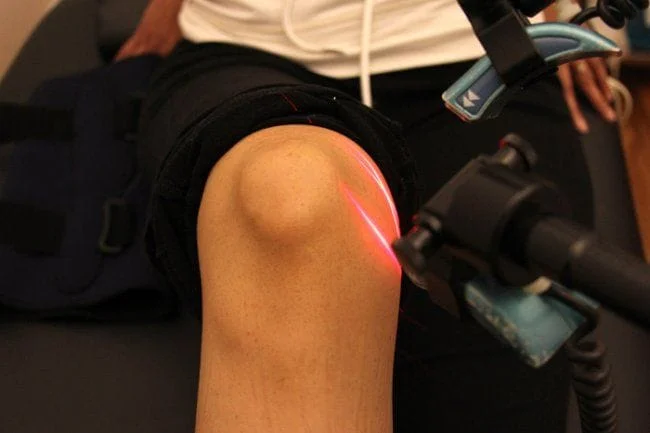
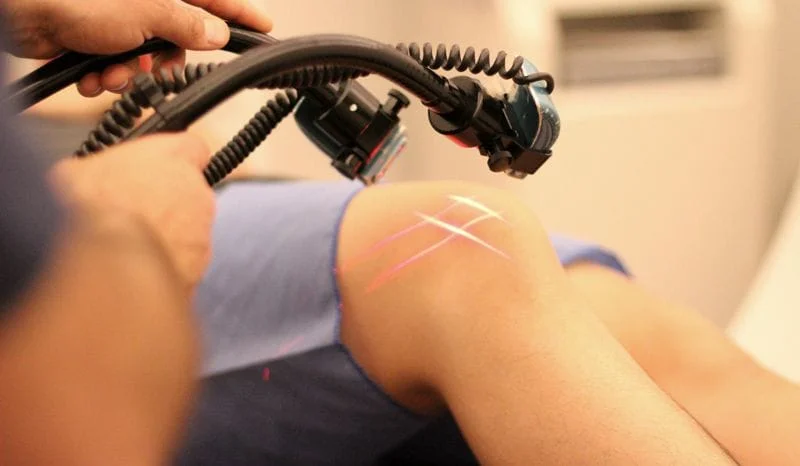
Low-level laser therapy is the application of red and near infrared light over injuries or wounds to improve soft tissue healing and relieve both acute and chronic pain. Low-level therapy uses cold (subthermal) laser light energy to direct bio-stimulative light energy to the body's cells without injuring or damaging them in any way. The therapy is precise and accurate; and offers safe and effective treatment for a wide variety of conditions. The energy range of low level laser light lies between 1 and 500 mW (milliwatts), while for surgical lasers the energy range lies between 3000 and 10000 mW. The Microlight 830 we use is a 90 mW unit.
How Does Low Level Laser Therapy Work?
Low-level lasers supply energy to the body in the form of non-thermal photons of light. Light is transmitted through the skin's layers (the dermis, epidermis and the subcutaneous tissue or tissue fat under the skin) at all wavelengths in the visible range. However, light waves in the near infrared ranges penetrate the deepest of all light waves in the visible spectrum.
When low level laser light waves penetrate deeply into the skin, they optimize the immune responses of our blood. This has both anti-inflammatory and immuno-suppressive effects. It is a scientific fact that light transmitted to the blood in this way has positive effective throughout the whole body, supplying vital oxygen and energy to every cell.
Some symptoms include Numbness, tingling or burning sensations in the thumb and fingers, particularly the index and middle fingers which are affected by the median nerve. Pain in the hands or wrist. Loss of dexterity and gripping strength. Difficulty performing routine tasks with the hands such as holding a cup, vacuuming, washing up, or even driving; some people have difficulty holding a newspaper or a telephone. Pain in the arm and shoulder. Swelling of the hand, which often increases at night. One of the most fascinating and used healing advances for the treatment of Carpal Tunnel Syndrome is Low Level Laser. On Feb. 11, 2002, the U.S. Food and Drug Administration gave Low Level Laser (Cold Laser) clearance to be used in the non-surgical treatment and management of carpal tunnel syndrome, or "CTS."
What is Carpal Tunnel Syndrome?
Carpal tunnel syndromeoccurs when tendons or ligaments in the wrist become enlarged, often from inflammation, after being aggravated. The narrowed tunnel of bones and ligaments in the wrist pinches the nerves that reach the fingers and the muscles at the base of the thumb. The first symptoms usually appear at night. Symptoms range from a burning, tingling numbness in the fingers, especially the thumb and the index and middle fingers, to difficulty gripping or making a fist, to drop-ping things. Some cases of carpal tunnel syndrome are due to work-related cumulative trauma of the wrist. Diseases or conditions that predispose to the development of carpal tunnel syndrome include pregnancy, diabetes, and obesity.
Call Dr. Steven Shoshany and his team of chiropractors, physical therapists, acupuncturists and massage therapists at (212) 645-8151. Book an appointment today for Cold Laser Therapy NYC / Low Level Laser Therapy in Manhattan.